Nightguards and TMJ Relief: How They Help Reduce Jaw Stress
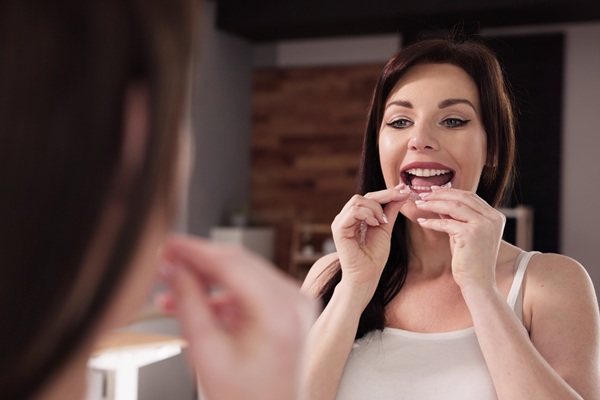
A night guard is a dental appliance designed to prevent teeth grinding and jaw clenching, two common causes of temporomandibular joint (TMJ) disorders. TMJ-related discomfort often results in jaw pain, headaches, and muscle tension, affecting daily activities such as speaking and eating. Wearing a night guard helps reduce strain on the jaw joint, alleviate symptoms, and prevent long-term damage to teeth and surrounding structures. Understanding the role of night guards in managing TMJ disorders can help individuals find relief from chronic jaw stress.
Understanding TMJ disorders and jaw stress
The temporomandibular joint connects the lower jaw to the skull, allowing essential movements such as chewing and speaking. Discomfort and dysfunction can occur when this joint becomes overworked due to excessive clenching or grinding. TMJ disorders are often linked to:
- Bruxism (Teeth Grinding): Many individuals unconsciously grind their teeth during sleep, placing excessive pressure on the jaw joint.
- Jaw Clenching: Stress and tension can cause involuntary clenching, leading to muscle fatigue and joint strain.
- Bite Misalignment: An uneven bite can contribute to improper jaw function, increasing TMJ-related discomfort.
Without proper intervention, TMJ disorders can lead to worsening symptoms, including chronic pain, limited jaw movement, and increased wear on teeth.
How night guards help relieve TMJ symptoms
Reducing pressure on the jaw joint
A night guard creates a protective barrier between the upper and lower teeth, preventing direct contact and reducing the impact of grinding or clenching. This alleviates stress on the TMJ, allowing the jaw muscles to relax and recover overnight. Night guards help prevent inflammation and discomfort associated with TMJ disorders by minimizing excessive pressure.
Preventing teeth damage
Chronic grinding wears down tooth enamel, increasing the risk of fractures, sensitivity, and cavities. A properly fitted night guard absorbs the force of grinding, protecting teeth from excessive wear. This prevents long-term dental complications while preserving natural tooth structure.
Promoting muscle relaxation
Jaw muscle tension is a common contributor to TMJ discomfort. A night guard helps prevent muscle fatigue and spasms by positioning the jaw in a more relaxed state. Many patients experience relief from headaches and facial pain after consistently using a night guard.
Types of night guards for TMJ relief
There are several types of night guards designed to address TMJ disorders, each offering unique benefits. Soft night guards are made from a flexible material, which is ideal for mild teeth grinding and provides cushioning for the jaw. Hard night guards, constructed from durable acrylic, are recommended for moderate to severe grinding and clenching, offering more structural support. Dual-layer night guards, combining a soft interior for comfort with a rigid exterior for durability, provide effective protection while ensuring a comfortable fit.
A custom-fitted night guard from a dental professional offers the best results tailored to the patient’s bite and jaw alignment. Over-the-counter options may not provide the same level of comfort or protection, potentially leading to further issues.
Additional strategies for managing TMJ symptoms
While wearing a night guard is an effective method for reducing TMJ stress, additional lifestyle adjustments can enhance relief:
- Stress Management: Since stress often contributes to clenching and grinding, relaxation techniques such as meditation and deep breathing can help minimize jaw tension.
- Jaw Exercises: Strengthening and stretching exercises can improve jaw mobility and reduce discomfort.
- Avoiding Hard or Chewy Foods: Reducing strain on the jaw by avoiding excessively hard or chewy foods can prevent further irritation.
- Applying Heat or Cold Therapy: Heat relaxes muscles, while cold therapy helps reduce inflammation, relieving TMJ-related discomfort.
When to seek professional treatment
While night guards effectively manage mild to moderate TMJ symptoms, some cases require additional intervention. Individuals experiencing persistent jaw pain, difficulty opening or closing the mouth, or clicking and popping sounds in the jaw should seek a professional evaluation. In some cases, additional treatments such as orthodontic adjustments, physical therapy, or TMJ injections may be necessary to address underlying concerns.
Try a night guard today
A night guard is a valuable tool for reducing TMJ-related jaw stress by minimizing pressure, preventing teeth damage, and promoting muscle relaxation. Patients experiencing symptoms of TMJ disorders can benefit from wearing a custom-fitted night guard to protect their teeth and alleviate discomfort. With lifestyle modifications, a night guard can provide long-term relief and improve overall jaw function. Consulting with a dental professional ensures that the right treatment approach is chosen for optimal TMJ management. For more information, schedule a consultation visit today at MyDentist La Puente.
To schedule a consultation, request an appointment on our website at https://www.mydentistlapuente.com or call MyDentist La Puente at (626) 345-6117 for an appointment in our La Puente office.
Check out what others are saying about our dental services on Yelp: Night Guard in La Puente, CA.
Related Posts
Dental veneers are used to treat a variety of issues, including damaged, misshapen, or misaligned teeth. While they can let patients enjoy an attractive, natural-looking smile, these tooth coverings may show signs of aging and staining without adequate care. Taking steps to prevent unnecessary stains helps keep veneers looking bright and beautiful.The most important step…
Dentures are a common solution for those who have undergone tooth extraction or lost multiple teeth. They offer a way to restore function and aesthetics to the mouth after the loss of natural teeth. Whether due to injury, decay, or disease, tooth extraction can leave gaps that affect not only the appearance of an individual's…
Dental veneers, artificial shells that go over teeth, can improve your smile in many ways, from concealing irremovable stains to filling in gaps between teeth. Some procedures are only to change the appearance of a smile, while others can also provide a stronger defense against oral issues and infections. Whatever a patient’s personal needs, it…
Most dentists offer dental veneers as a treatment option for people in need of tooth repair. This is a popular choice among many patients because the results are durable and attractive. While these restorations can be used to treat a variety of issues, they are more appropriate in certain situations.Dental veneers are an excellent option…