How a Dental Bridge Restores Your Smile and Improves Everyday Function
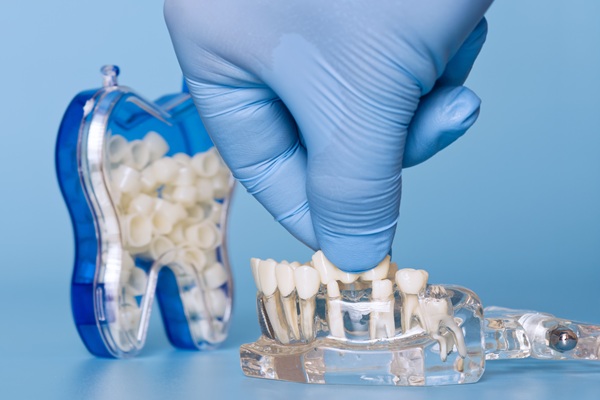
Choosing a dental bridge can restore a complete smile and make everyday tasks feel easier again. Missing teeth change chewing, speech, and face shape, but a well-planned bridge brings balance back. With the right design and consistent home care, a dental bridge can look natural, feel comfortable, and support long-term oral health.
Understanding dental bridges
A dental bridge fills a gap by anchoring one or more pontics, or false teeth, to support on the sides. Those supports can be crowns on healthy neighboring teeth or dental implants placed in the jaw. The bridge locks the row together, so bite forces are spread evenly when chewing. When the bite stays balanced, nearby teeth are less likely to shift or wear down.
Comfort, materials, and aesthetics
Modern materials enable thin, yet strong designs that seamlessly blend with natural enamel. Porcelain and high-strength ceramics reflect light in a lifelike way, while metal frameworks hidden inside add durability when needed. Digital scanning improves accuracy and comfort for those who struggle with traditional impressions. Small color and contour adjustments fine-tune the match so the dental bridge looks like it has always belonged.
Cost clarity and planning
Costs depend on the number of teeth involved, the materials used, and whether implants are necessary to support the bridge. A written estimate and a phased plan help manage timing and benefits. Further, request details about warranties, scheduled maintenance visits, and any recommended protective devices. Additionally, the dental team can verify whether and to what extent the patient's insurance will cover the procedure. Clear communication helps maintain realistic expectations and ensures a stress-free process.
Key benefits of dental bridges
A complete smile is about more than appearance. A dental bridge improves comfort and function, which leads to the following:
- Chewing confidence: Enjoy a wider range of foods without favoring one side
- Clear speech: Fill gaps that affect certain sounds and word endings
- Facial support: Maintain lip and cheek shape for a natural look
These gains help reduce jaw strain and make meals and conversations feel normal again.
Ideal candidates for dental bridges
Most healthy adults with one to four missing teeth in a row qualify for a dental bridge. However, their gums should be free of active infection, and supporting teeth or implants must be strong enough to hold the bridge. People who grind their teeth (bruxism) can still qualify, but a night guard may be necessary to protect the bridge and other teeth. If many teeth are missing or the bone is thin, a bone graft and implant-supported bridge may offer better support over a traditional design.
The dental bridge process: Step-by-step
It is important to note that dental bridges require two appointments due to their custom design. The first appointment usually lasts the longest. It involves an exam, photos, X-rays, or scans to map the bite. The general dentist reviews the goals, explains dental bridge options, and selects shades to match the patient's nearby teeth. If using natural teeth for support, the dentist shapes those teeth for crowns and places a temporary bridge while a lab creates the final restoration.
The second appointment, which occurs approximately two weeks later, is relatively quick. The dentist will remove the temporary bridge and test the support teeth to ensure they are still alive. Next, the test the fit of the permanent dental bridge before bonding it into place. Finishing the appointment, the dentist will review care tips and a follow-up schedule to ensure the bridge lasts for many years.
Care tips that protect the bridge
Daily choices make the biggest difference in comfort and longevity. Build habits that support gums, enamel, and the materials used:
- Brush twice daily with fluoride toothpaste; clean under the bridge with a threader or small interdental brush
- Choose water between meals and reduce hard or sticky foods that can stress the bridge
- Keep routine checkups so the team can polish edges, confirm fit, and monitor bite balance
These steps help the dental bridge stay smooth, stain-resistant, and comfortable. Still, lifespan varies with diet, bite forces, and hygiene practices. Many bridges provide years of reliable service when home care and professional cleanings stay consistent. Addressing small issues early, such as gum irritation or minor bite changes, can prevent more significant repairs.
Restore your smile at MyDentist La Puente
A dental bridge does more than fill a space. It restores chewing strength, clear speech, and facial support in a single, coordinated solution. With careful planning, natural-looking materials, and steady home care, results feel comfortable and last for many years. If you are missing one or more teeth, contact MyDentist La Puente to restore your smile.
Request an appointment here: https://www.mydentistlapuente.com or call MyDentist La Puente at (626) 345-6117 for an appointment in our La Puente office.
Check out what others are saying about our dental services on Yelp: Dental Bridges in La Puente, CA.
Related Posts
Dental bridges are a non-invasive restorative option for replacing missing teeth. However, they require proper care and maintenance to maintain the bridge and the surrounding teeth and gums. A general dentist can provide personalized instructions on caring for one’s bridge according to its type, location in the mouth, and other factors. However, patients can get…
A missing permanent tooth should be replaced as soon as possible to prevent serious oral health issues. dental bridges are one of the most commonly used treatments to replace a severely damaged or missing tooth. Many patients prefer this option because it is minimally invasive and requires only one or two trips to the dentist's…
Many dental patients are self-conscious about missing teeth. Depending on the exact teeth that have been lost, this condition can also make it difficult to chew food. In many cases, a dental bridge can be used to replace lost teeth and restore a patient's smile.As the name suggests, a dental bridge uses an artificial tooth…
Dental bridges are made up of artificial teeth that close spaces between teeth and dental crowns that are placed on the teeth closest to the gap. These oral prosthetics are typically used to close up gaps in a person’s smile due to missing teeth.Dental bridges are a less-invasive approach to replacing missing teeth than implants.…